Overdose Emergency? Call 911 immediately. Naloxone saves lives. 988 Suicide & Crisis Lifeline

Harm Reduction Finder, run by Waypoint Harm Reduction

Donate Now Your gift is fully tax-deductible.

Find a Harm Reduction Agency Near You

1
City or Zip Code
2
Choose Your Need
3
Search

About Harm Reduction Finder

Harm Reduction Finder (HRF) is a no-cost, nationwide directory of harm reduction services across all 50 states. We help people find needle exchanges, syringe service programs, naloxone (Narcan) distribution sites, fentanyl test strips, and no-cost HIV and Hepatitis C testing. No ID, no insurance, no barriers.

HRF is powered by Waypoint Harm Reduction, a nationwide harm reduction nonprofit built by people in the field.

Who We Are

Harm Reduction Finder is the website run by Waypoint Harm Reduction. It was built by people who have lived this work, not just studied it. Scott and Penny built it with one mission: reducing barriers and connecting people to care with dignity, accuracy, and respect.

Contact us at scott@waypointharmreduction.org.

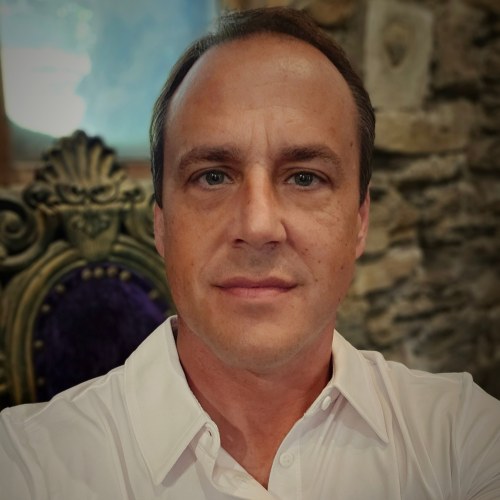
Scott - Co-Founder

Scott

Co-Founder & Executive Director

I am a person in long term recovery and a Licensed Chemical Dependency Counselor with more than a decade of experience providing substance use disorder treatment and recovery support across detoxification, residential, outpatient, intensive outpatient, jail based, and court involved settings. My career spans direct clinical care, peer support, systems development, leadership, and public service, allowing me to understand recovery from the inside out and at every level of the system.

I began working in behavior health before transitioning into clinical and leadership roles. My practice draws on Motivational Interviewing, CBT, DBT, IFS, relapse prevention, trauma informed care, Thinking for a Change, Moral Reconation Therapy, and Recovery Oriented Systems of Care principles. I have worked extensively with justice involved populations, post overdose engagement teams, and individuals with co occurring mental health and substance use disorders.

Throughout my career, I have provided services in detoxification units, residential treatment facilities, and community based intensive outpatient programs as both a group facilitator and individual counselor. I have also served as Coordinator of the Quick Response Team (QRT) and as Director of the LEAD Law Enforcement Assisted Diversion program, helping bridge public safety and behavioral health systems to expand access to recovery pathways, work that led directly to building Harm Reduction Finder.

Penny and I co founded and facilitated the STAR diversion program in partnership with the Findlay Municipal Court, developing a court approved education and diversion initiative focused on accountability, behavioral change, and recovery support.

Beyond direct service, I have served for seven years and continue to serve on the Ohio Chemical Dependency Professionals Board Treatment Committee, contributing to licensure standards, education and training requirements, ethical oversight, and workforce policy development. I have collaborated with ADAMHS Boards, participated in opioid task forces, and served on nonprofit boards, including as a member of the Board of Directors for Focus Recovery and Wellness Community.

I have presented on recovery, stigma reduction, and workforce development at the University of Findlay, the University of Bluffton, the University of Toledo, and Ohio Northern University. I have also provided testimony before the Ohio Joint Committee on Agency Rule Review (JCARR) on behavioral health workforce shortages and access to care.

Beyond clinical practice, I authored the Beach Safety Hierarchy Assessment Scale (BSHAS) A 25-item dyadic research instrument measuring five hierarchical tiers of relational safety. I designed the study, analyzed 160 dyadic-pair responses, and published the resulting paper examining how hierarchical safety shapes proximity, cognitive engagement, and reflective integration in close relationships. The findings ground trauma-informed care in measurable, replicable data, concepts that directly inform how harm reduction and recovery environments should be built. Read the study.

I am passionate about dissociative disorders. I have authored a book: Lead With Safety and operates the accompaning website at Lead With Safety. LeadWithSafety.com provides education and clinical research concerning Dissociative Identity Disorder. Focusing on the PolyVagal Theory with the belief that safety is the most important factor in these unique mind.

My work reflects a commitment to strengthening recovery and harm reduction systems at every level, from individual healing to policy reform, while remaining grounded in lived experience and frontline service.

DOI 10.5281/zenodo.19688087

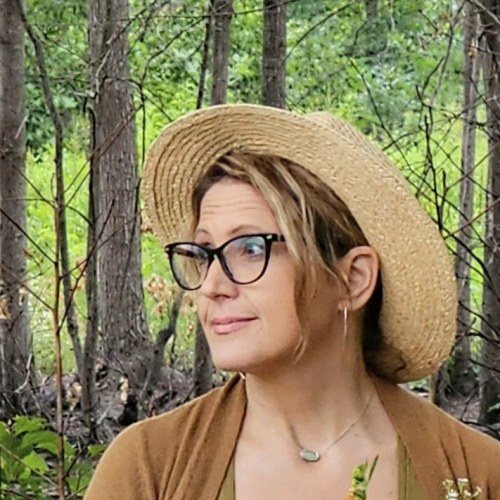
Penny - Co-Founder

Penny

Co-Founder & Director of Community Outreach

Penny is a seasoned peer recovery leader whose work has shaped recovery access and outcomes across multiple systems of care. She served as the Opioid Quick Response Team (QRT) Director, leading post-overdose engagement efforts and coordinating rapid, compassionate outreach to individuals and families at critical moments of readiness for change. In addition, she spent many years as a jail-based case manager, working directly with incarcerated individuals to support re-entry, treatment linkage, and the early foundations of recovery, often engaging people at their most vulnerable and overlooked moments.

As a Regional Peer Center Manager and CPRS Supervisor, she built three peer recovery centers from the ground up. These centers did not exist until she developed, launched, and operationalized them. She authored all policies, procedures, rules, and training manuals for the peer support professionals staffing each location, establishing the standards that guided day-to-day operations and ensured consistent, ethical peer practice across all three sites. She simultaneously managed all three centers and supervised approximately 15 certified peer supporters, ensuring program fidelity and trauma-informed engagement. She is highly experienced in group facilitation and recovery education, with hands-on expertise in Matrix Model, Living in Balance, and SMART Recovery, and has facilitated a wide range of groups including yoga, art in recovery, life-skills development, and active recovery programming.

She also co-developed the Survivors Talking About Recovery (STAR) program in partnership with Scott and the Findlay Municipal Court. Penny was instrumental in building the program from the ground up, identifying, recruiting, and coordinating all guest speakers who shared their lived experiences with court-ordered participants. Her ability to connect with survivors and family members willing to tell their stories gave the program its heart and its impact, ensuring that every session carried authentic, powerful testimony from people who had lived through the realities of addiction and recovery.

Penny's greatest strength has always been the clients no one else wanted to take on. People caught in decades-long cycles of incarceration and addiction, written off by systems that had stopped trying. She chose them. She sat with men and women who had been locked up more times than they could count, who had burned every bridge and buried every chance, and she helped them build something they had never had: a life with purpose. That was her specialty. Not a program or a model, but an unwillingness to give up on people the rest of the world had already given up on.

Across every role and setting, Penny has provided direct peer support to hundreds of individuals impacted by substance use disorder, combining lived experience, structured recovery models, and human connection to help people move from crisis toward stability. Her leadership is grounded in service, dignity, and accountability, and her impact is measured not just in programs built, but in lives changed through consistent, person-centered peer support.

Her belief that recovery is possible for everyone, and that the people best equipped to guide others through it are those who have walked the path themselves, is what Harm Reduction Finder carries forward, meeting people exactly where they are, without judgment.

Her life's work is proof that one person's willingness to show up, in a jail cell, a courtroom, a peer center, or a moment of crisis can open a door that changes everything.

Waypoint Harm Reduction exists because the system is complex, fragmented, and often overwhelming, especially for people in crisis. Our mission is simple: reduce barriers, center lived experience, and connect people to care with dignity, accuracy, and respect. We believe recovery is not one-size-fits-all, and that people deserve guidance from those who understand both the clinical landscape and the human reality of recovery.

This is harm reduction and recovery guidance built on lived experience, clinical ethics, and an unwavering belief that people can and do recover, when the door is open and the path is clear.

Our Mission

To make harm reduction services findable by anyone, anywhere, without barriers. Whether someone is looking for a needle exchange, no-cost Narcan, HIV testing, or fentanyl test strips, they should be able to find it in their state in seconds. No Cost. No sign-up. No judgment.

We're a Nonprofit

Harm Reduction Finder operates under the fiscal sponsorship of Upstream Works, a 501(c)(3) nonprofit organization. Donations made in support of our work are tax-deductible to the extent permitted by law.

What is Harm Reduction?

Harm reduction is a set of practical strategies and ideas aimed at reducing negative consequences associated with drug use. Harm reduction is also a movement for social justice built on a belief in, and respect for, the rights of people who use drugs.

Harm reduction incorporates a spectrum of strategies that includes safer use, managed use, abstinence, and meeting people who use drugs "where they're at," addressing conditions and focusing on the individual rather than adopting a one-size-fits-all approach.

The movement recognizes that not everyone is ready or able to stop using drugs, but there are still ways to reduce the harms associated with use while maintaining dignity and respect for the individual.

Core Principles of Harm Reduction

Accepts People Where They Are

Meets people at their current stage without judgment, whether they're actively using, reducing use, or seeking abstinence.

Recognizes Realities of Inequity

Acknowledges the impact of poverty, racism, social isolation, and other inequities on people's vulnerability to drug-related harm.

Evidence-Based

Strategies are grounded in scientific research and real-world evidence of what works to reduce harm and save lives.

Affirms Human Dignity

Treats all people with dignity and respect regardless of their drug use status, avoiding stigmatizing language and behaviors.

Non-Coercive

Does not force people into treatment or require they stop using drugs to receive services and support.

Establishes Quality of Life

Focuses on improving quality of life and well-being, not solely on abstinence as the measure of success.

Common Harm Reduction Services

Syringe Services Programs (SSPs)

Also known as needle exchanges, SSPs provide sterile syringes and collect used ones to prevent the spread of HIV, Hepatitis C, and other bloodborne diseases. Research shows SSPs reduce disease transmission without increasing drug use.

Naloxone Distribution

Naloxone (Narcan) is a medication that rapidly reverses opioid overdose. Many harm reduction agencies distribute naloxone at no cost along with training on how to recognize and respond to an overdose. Many programs also mail no-cost kits directly to you.

Drug Checking Services

Fentanyl test strips and other drug checking technologies help people know what's in their drugs before use, allowing them to make informed decisions and reduce overdose risk.

Peer Support

Trained peers with lived experience provide support, reduce isolation, and connect people to services. Peer support has been shown to improve engagement with healthcare and recovery outcomes.

Harm Reduction Saves Lives

50%

Reduction in HIV transmission with SSPs

26,500+

Overdose reversals by bystanders with naloxone (2021)

5x

More likely to enter treatment when connected through SSPs

Find Harm Reduction Services

Search our directory to find agencies offering these life-saving services in your area.